


















































































Critics sound alarm over online gambling as Halifax casino revenues dwindle CBC News

Critics of the gambling industry in Nova Scotia say they’re concerned about a recent move toward online gambling, especially in light of the Halifax casino’s uncertain future. Critics of the gambling industry in Nova Scotia say they’re concerned about a recent move toward online gambling, especially in light of the Halifax casino’s uncertain future.
The province is considering online casino-style gambling at the same time the physical casino is losing cash
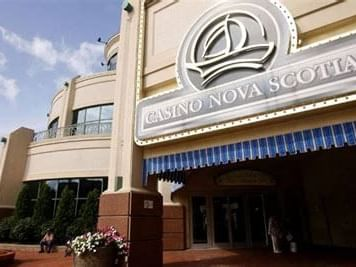
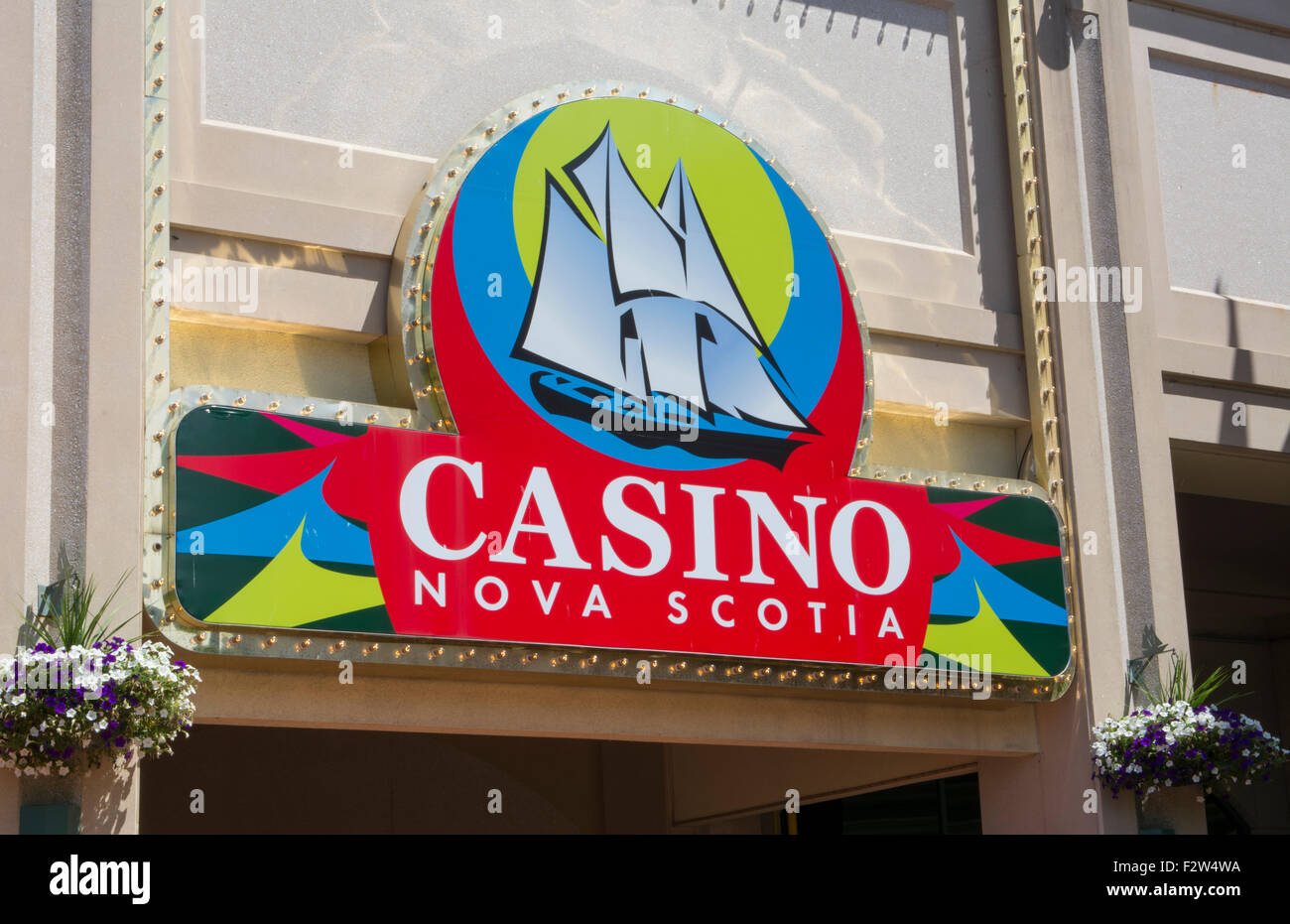
Shaina Luck · CBC News · Posted: Mar 02, 2021 5:00 AM EST | Last Updated: March 2, 2021 Casino Nova Scotia has seen declining revenues since its peak year in 2006-07, when it took in $74.5 million. (Shaina Luck/CBC)
Social Sharing
Critics of the gambling industry say they’re concerned about a recent move toward online gambling, especially in light of the Halifax casino’s uncertain future.
Elizabeth Stephen, a counselling therapist who works with people with gambling addictions, said news that the Nova Scotia government has cleared the way for online casino-style gambling is “pretty significant.”
- Future of casino in Halifax at issue amid declining revenues, possible move
“What’s behind that?” said Stephen. “Is it because the physical casino is in such decline and perhaps is even going to close down? Is it to replace that revenue?”
The Nova Scotia Gaming Corporation, the Crown corporation that oversees the gaming business, released documents to CBC News showing the Halifax casino has struggled with declining and unsustainable revenues for approximately 15 years — even before the arrival of COVID-19.
The documents raise the possibility of moving the casino away from its waterfront location, but the corporation said those decisions are on hold during the pandemic.
Stephen is an addictions counsellor in Halifax with a private practice. (CBC)“My sense is that the government is looking for alternative revenue streams, hence the talk about the online casino,” said Bruce Dienes, chair of Gambling Risk Informed Nova Scotia (GRINS), a non-profit that aims to reduce gambling harms.
“The problem with that, of course, is if you want to go to a brick-and-mortar casino, you have to actually go to a brick-and-mortar casino. You have to really intentionally do that, you have to be there for a certain piece of time.
“Online, if you’ve got a phone or if you’ve got any internet connection, 24/7 you’re at risk of being impacted negatively by that casino.”
‘Two very different offerings’
Officials with the Atlantic Lottery Corporation have said establishing an online casino is necessary to try to counteract the growing popularity of offshore websites. It has said about $100 million a year leaves Atlantic Canada through gambling on offshore websites that have few safeguards.
Bob MacKinnon, the Nova Scotia Gaming Corporation’s CEO, said there are similarities in the gambling that takes place in a physical casino and online.
“I think it is possible that some of the casino business that we would have had at the Halifax casino has gone online. There’s no way for us to know an exact number,” he said.
“But I’ll also add that generally over the longer term, we would think of them as two very different offerings: that some people like to go online, and many people like to go for a broader entertainment experience where there’s music, there’s food, there’s shows going on, in addition to the gaming offerings.”
Stephen said the people she treats in her practice often start gambling in a physical casino, but later move to other venues, such as bars with video lottery terminals.
The majority of gambling addicts Stephen counsels became addicted to machines like VLTs. (Julie Jacobson/AP)“I think casinos are the foundation in some places for the start of gambling, and the kind of glamour of gambling and the excitement of gambling,” she said.
Stephen said most people who come to her with gambling addictions have become addicted to VLTs, although a few have been addicted to table games such as poker or blackjack.
“They get to the point where they’re spending way too much time there and more money than they can afford to lose. And so often their first step is to exclude themselves from the casino. Often, though, they don’t do that until they maybe have reached bankruptcy,” she said.
Falling revenues
The Halifax casino hit peak revenue of about $75 million in 2006-07, which fell to about $54 million in 2014-15 — a drop of about 30 per cent that MacKinnon said was not sustainable.
Visitation during the pandemic is down 90 per cent, and MacKinnon said it’s believed the Halifax casino will make about $9 million this year.
The Sydney casino failed to meet its revenue and visitation targets for the 2 years leading up to the pandemic, which closed its doors altogether for about eight months. (Tom Ayers/CBC)The casino in Sydney, N.S., failed to meet its revenue and visitation targets for the two years leading up to the pandemic. In 2018-19, the Nova Scotia Gaming Corporation hoped the Cape Breton casino would have revenue of $22.1 million from at least 410,000 visitors. Instead, it brought in $19.5 million from 372,000 visitors.
In 2019-20, its targets were $19.2 million in revenue and 410,000 visitors, but it ended up with $18.8 million from 344,806 visitors.
Dienes said it shows a need for the province to move on from the gambling business, which was legalized in Nova Scotia in 1995.
Dienes is the chair of Gambling Risk Informed Nova Scotia (GRINS), a non-profit organization with the goal of reducing harms related to gambling. (CBC)“Here is a business model that’s failing, that isn’t meeting the needs of the customers. And rather than acknowledging that and moving on to a different kind of business — a different way to entertain, a different way to raise funds — they’re trying to increase the risk and increase the access for something that people clearly don’t want,” he said.
Dienes said gambling is “psychologically manipulative” and he disagrees with the government’s stance that online gambling can be done safely.
“This is something that’s been created by government policy,” he said.
High-stakes bets
Will Shead, an associate professor of psychology who primarily researches gambling, said he’s doubtful that limitations can be placed on online gambling that would keep people safe.
“We don’t really know what effect this is going to have on people. You can make arguments and say this is how it’s going to work, but it could potentially be disastrous for people to have access to such high betting limits online,” said Shead, who teaches at Mount Saint Vincent University in Halifax.
Shead is also a board member of Gambling Risk Informed Nova Scotia, whose members are particularly concerned about high-stakes wagers online that could lead a gambler to lose thousands of dollars per hour.
Shead is an associate professor of psychology at Mount Saint Vincent University in Halifax. His research specialty is gambling. (CBC)The Nova Scotia Gaming Corporation has said the online casino would include age and residency verification, privacy controls, self-exclusion options, deposit limits, time displays, analytics on player activity and information about responsible gambling.
But Shead said he’s concerned about young people finding ways to get around age checks, and about research that shows people are more likely to use drugs and alcohol while gambling online.
In a physical casino, people are not supposed to be allowed to gamble while impaired, he said. According to its code of conduct, Casino Nova Scotia will refuse entry to someone who is impaired by alcohol or drugs.
“I’m not sure if that happens all the time,” said Shead, “but it’s certainly not going to happen in the confines of your own home.”
MORE TOP STORIES - Nova Scotia police troubled as Outlaws biker gang moves into Hells Angels turf
-
2021 on track to be one of the busiest years for N.S. film industry
-
Halifax-based Jazz retiring small Dash 8 fleet in airline consolidation
-
Irving to reopen Halifax Shipyard after extensive COVID-19 testing
-
Flooded with visitors, vaccine booking webpage taken offline for hours
Officials with the Atlantic Lottery Corporation have said establishing an online casino is necessary to try to counteract the growing popularity of offshore websites. It has said about $100 million a year leaves Atlantic Canada through gambling on offshore websites that have few safeguards.
Bob MacKinnon, the Nova Scotia Gaming Corporation’s CEO, said there are similarities in the gambling that takes place in a physical casino and online.
“I think it is possible that some of the casino business that we would have had at the Halifax casino has gone online. There’s no way for us to know an exact number,” he said.
“But I’ll also add that generally over the longer term, we would think of them as two very different offerings: that some people like to go online, and many people like to go for a broader entertainment experience where there’s music, there’s food, there’s shows going on, in addition to the gaming offerings.”
Stephen said the people she treats in her practice often start gambling in a physical casino, but later move to other venues, such as bars with video lottery terminals.
The majority of gambling addicts Stephen counsels became addicted to machines like VLTs. (Julie Jacobson/AP) “I think casinos are the foundation in some places for the start of gambling, and the kind of glamour of gambling and the excitement of gambling,” she said.
Stephen said most people who come to her with gambling addictions have become addicted to VLTs, although a few have been addicted to table games such as poker or blackjack.
“They get to the point where they’re spending way too much time there and more money than they can afford to lose. And so often their first step is to exclude themselves from the casino. Often, though, they don’t do that until they maybe have reached bankruptcy,” she said.
Falling revenues
The Halifax casino hit peak revenue of about $75 million in 2006-07, which fell to about $54 million in 2014-15 — a drop of about 30 per cent that MacKinnon said was not sustainable.
Visitation during the pandemic is down 90 per cent, and MacKinnon said it’s believed the Halifax casino will make about $9 million this year.
The Sydney casino failed to meet its revenue and visitation targets for the 2 years leading up to the pandemic, which closed its doors altogether for about eight months. (Tom Ayers/CBC) The casino in Sydney, N.S., failed to meet its revenue and visitation targets for the two years leading up to the pandemic. In 2018-19, the Nova Scotia Gaming Corporation hoped the Cape Breton casino would have revenue of $22.1 million from at least 410,000 visitors. Instead, it brought in $19.5 million from 372,000 visitors.
In 2019-20, its targets were $19.2 million in revenue and 410,000 visitors, but it ended up with $18.8 million from 344,806 visitors.
Dienes said it shows a need for the province to move on from the gambling business, which was legalized in Nova Scotia in 1995.
Dienes is the chair of Gambling Risk Informed Nova Scotia (GRINS), a non-profit organization with the goal of reducing harms related to gambling. (CBC) “Here is a business model that’s failing, that isn’t meeting the needs of the customers. And rather than acknowledging that and moving on to a different kind of business — a different way to entertain, a different way to raise funds — they’re trying to increase the risk and increase the access for something that people clearly don’t want,” he said.
Dienes said gambling is “psychologically manipulative” and he disagrees with the government’s stance that online gambling can be done safely.
“This is something that’s been created by government policy,” he said.
High-stakes bets
Will Shead, an associate professor of psychology who primarily researches gambling, said he’s doubtful that limitations can be placed on online gambling that would keep people safe.
“We don’t really know what effect this is going to have on people. You can make arguments and say this is how it’s going to work, but it could potentially be disastrous for people to have access to such high betting limits online,” said Shead, who teaches at Mount Saint Vincent University in Halifax.
Shead is also a board member of Gambling Risk Informed Nova Scotia, whose members are particularly concerned about high-stakes wagers online that could lead a gambler to lose thousands of dollars per hour.
Shead is an associate professor of psychology at Mount Saint Vincent University in Halifax. His research specialty is gambling. (CBC) The Nova Scotia Gaming Corporation has said the online casino would include age and residency verification, privacy controls, self-exclusion options, deposit limits, time displays, analytics on player activity and information about responsible gambling.
But Shead said he’s concerned about young people finding ways to get around age checks, and about research that shows people are more likely to use drugs and alcohol while gambling online.
In a physical casino, people are not supposed to be allowed to gamble while impaired, he said. According to its code of conduct, Casino Nova Scotia will refuse entry to someone who is impaired by alcohol or drugs.
“I’m not sure if that happens all the time,” said Shead, “but it’s certainly not going to happen in the confines of your own home.”
MORE TOP STORIES - Nova Scotia police troubled as Outlaws biker gang moves into Hells Angels turf
-
2021 on track to be one of the busiest years for N.S. film industry
-
Halifax-based Jazz retiring small Dash 8 fleet in airline consolidation
-
Irving to reopen Halifax Shipyard after extensive COVID-19 testing
-
Flooded with visitors, vaccine booking webpage taken offline for hours
ABOUT THE AUTHOR
Shaina LuckReporter
Shaina Luck is an investigative reporter with CBC Nova Scotia. She has worked with local and network programs including The National and The Fifth Estate. Email: shaina.luck@cbc.ca
Shaina LuckReporter
Shaina Luck is an investigative reporter with CBC Nova Scotia. She has worked with local and network programs including The National and The Fifth Estate. Email: shaina.luck@cbc.ca
CBC’s Journalistic Standards and Practices·About CBC NewsCorrections and clarifications·Submit a news tip·Report error
FAQ
Can You Legally Gamble Online in Canada 2026?
Can You Gamble Online in Canada? Yes, you can gamble online in Canada, but the rules depend on your province and whether the site is regulated locally. For example, the Criminal Code bans unlicensed private companies from offering games inside Canada, yet players face no legal issues using approved provincial sites or even offshore ones. In 2026, millions of Canadians enjoy slots, poker, and sports betting this way without worry.
Canadas Biggest Casino: Torontos Epic 4800-Slot Giant
Hey there, casino fans! Canada’s biggest gaming spot is the Great Canadian Casino Resort Toronto, which opened in 2023 in Etobicoke near Woodbine Racetrack. It boasts a massive 4,800 slot machines and 145 table games across 33 acres, outshining others in sheer gaming space. This place isn’t just about slots—picture a 400-room hotel, a 5,000-seat auditorium for concerts, and 10 tasty restaurants all under one roof. Developers spent $1 billion on it, with 3,800 parking spots to handle the expected 12 million visitors yearly.
Are Online Casinos Legal in Nova Scotia 2026?
Are Online Casinos Legal in Nova Scotia? Online casinos sit in a special spot in Nova Scotia’s gambling world. The province lets adults aged 19 and up play on the official ALC.ca site, run by the Atlantic Lottery Corporation. This covers slots like Thunderstruck II, table games such as blackjack, and sports bets on NHL games—for example, betting on the Halifax Mooseheads. How Provincial Rules Work Nova Scotia’s Gaming Control Act sets the rules, with the Alcohol and Gaming Division checking sites for fairness.
When and where was the game of roulette first played?
When and where was the game of roulette first played? The game as we know it today first appeared in Paris in 1796, and quickly gained popularity throughout Europe, especially in the casinos of Monte Carlo. The addition of the zero by Francois and Louis Blanc in the mid-19th century helped to increase the house edge and make the game more profitable for casinos.
Does Casino NS Have a Hotel? Quick Truth
Casino Nova Scotia doesn’t have its own hotel attached to the property. Instead, it links directly to the Halifax Marriott Harbourfront Hotel next door via a handy indoor pedway—perfect for late-night gaming sessions without stepping outside.canadiansky+1 The Halifax spot sits right on the waterfront at 1983 Upper Water Street, packed with slots, table games, live shows, and tasty dining. The Sydney location at 525 George Street offers similar fun, but both focus purely on entertainment, not overnight stays.
Casino Nova Scotia Guide: Halifax Casino, Reviews and Visitor Information
This site only collects related articles. Viewing the original, please copy and open the following link:Critics sound alarm over online gambling as Halifax casino revenues dwindle CBC News